

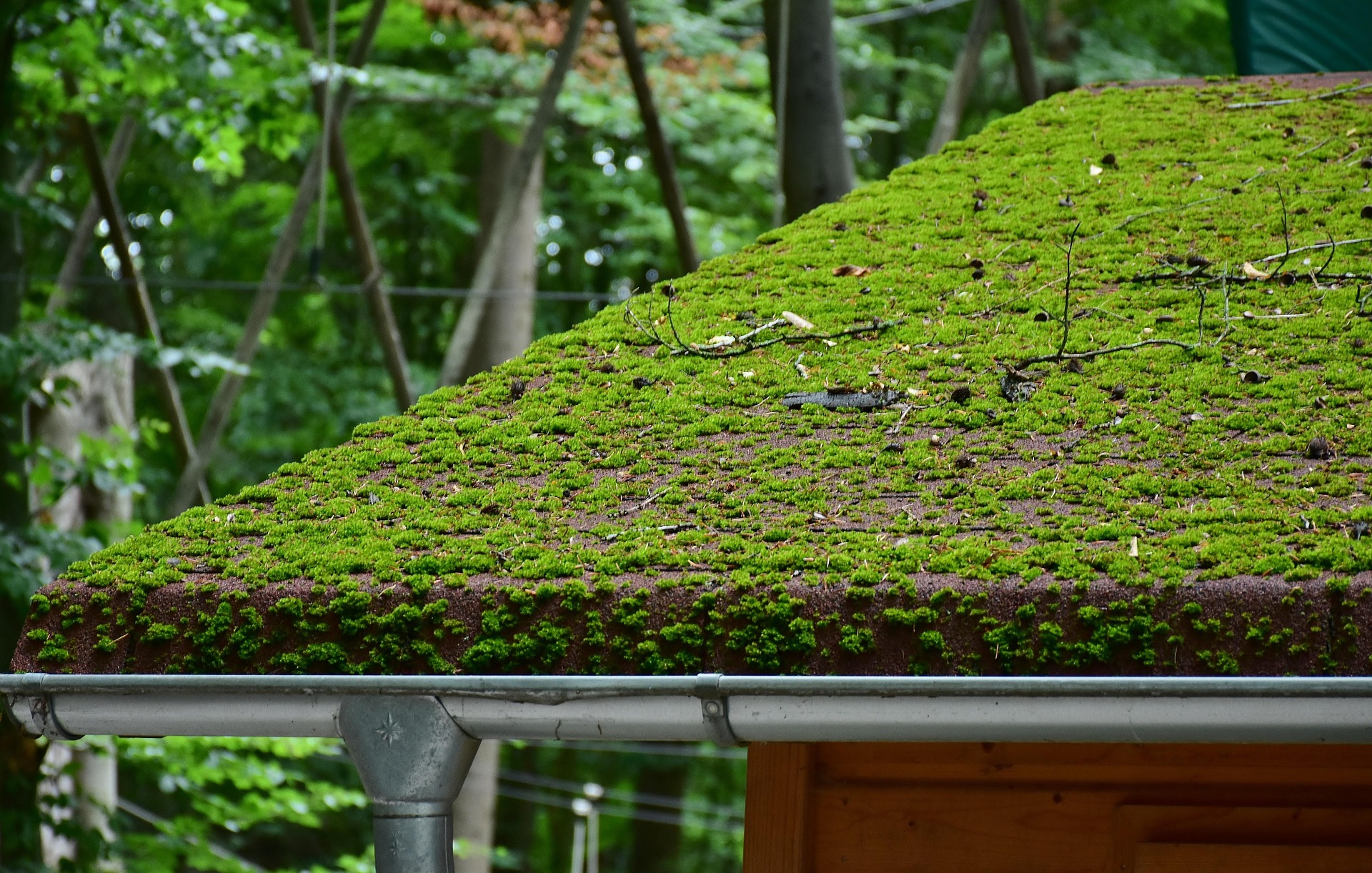
One of the most common calls we get goes something like this — someone notices a stain on their ceiling after a hard rain, or spots a few shingles in the yard after a windstorm, and immediately starts wondering if they need a whole new roof. Sometimes the answer is yes. A lot of the time it isn't.
The roofing industry doesn't always have a great reputation for being straight about this. Some contractors will look at a roof with ten good years left on it and recommend a full replacement because the margin is better. We'd rather tell you what you actually need — because that's how you end up calling us again in ten years when you actually do need a replacement.
Here's how to think about the repair vs. replacement decision.
Start with the age of the roof
Age is the single most useful starting point. Asphalt shingle roofs in eastern Idaho typically last 25 to 40 years depending on the product, the installation quality, and how the roof has been maintained. If your roof is under 15 years old and the damage is localized, a repair almost always makes more sense than a replacement. If it's pushing 25 to 30 years, the math starts shifting — you're repairing a roof that's going to need replacing in the next few years anyway, and sometimes it's worth just getting ahead of it.
Metal roofing has a much longer lifespan — 40 to 70 years — so age alone is less of a factor there. Luxury shake and slate products fall somewhere in between.
If you don't know how old your roof is, a contractor can usually estimate it during an inspection based on the shingle type, wear patterns, and granule loss.
Signs that a repair is probably enough
A repair makes sense when the problem is isolated and the rest of the roof is in reasonable shape.
Here's what that typically looks like:
- A small number of missing, cracked, or lifted shingles — often from wind or impact
- A single leak traced to a specific penetration, flashing failure, or damaged section
- Ice dam damage concentrated at the eaves rather than spread across the roof
- A few cracked or popped pipe boots or failed vent flashing
- Minor granule loss in one area rather than across the whole roof
The key question is whether the damage is the exception or the rule. If the rest of the roof is solid, repairing the problem area and moving on is usually the right call. Repairs on asphalt shingle roofs can start as low as a few hundred dollars — sometimes significantly less if the issue is isolated to flashing or a small number of shingles.
Signs that replacement makes more sense
There are situations where a repair is just postponing the inevitable — and sometimes a replacement is actually the more cost-effective decision even if it doesn't feel that way upfront.
Replacement makes more sense when:
- The roof is at or near the end of its expected lifespan and repairs are becoming recurring
- Granule loss is widespread across the whole roof — not just one area
- There's significant sheathing damage or rot beneath the shingles that a surface repair won't fix
- Multiple layers of shingles have been installed and another repair isn't feasible
- Shingles are curling, cupping, or cracking across large sections of the roof
- You've had repeated leaks in different locations that repairs haven't resolved
A good rule of thumb — if a repair costs more than 30 percent of what a replacement would cost, and the roof is past the midpoint of its expected lifespan, replacement is often the better investment.
The insurance question
If your damage came from a specific weather event — hail, wind, ice — your homeowner's insurance may cover the cost of a repair or replacement. This changes the calculus significantly.
Insurance companies typically pay for damage caused by a covered event, not for general wear and tear or age-related deterioration. If a hailstorm caused the damage, a full replacement may be covered even if the roof was already approaching the end of its life. If the damage is from gradual wear, it typically isn't.
We can inspect your roof after a storm, document what we find, and provide the reports and photos your adjuster needs. We can't tell you what your insurance will cover — that's between you and your provider — but we can make sure you have what you need to make a strong claim.
What about cost — what should you expect to pay?
This is always the first question and it's a fair one. The honest answer is that costs vary significantly based on the size of the home, the pitch and complexity of the roof, the material chosen, and what's found underneath when the old roof comes off.
As a general reference point for eastern Idaho:
- Targeted repairs — anywhere from a few hundred dollars for a small flashing repair or a handful of shingles, up to $2,000 to $3,000 for more significant localized damage.
- Full asphalt shingle replacement — typically $8,000 to $18,000 for most residential homes in the Idaho Falls area depending on size and complexity.
- Full metal roofing replacement — typically $15,000 to $30,000 or more depending on the panel system and roof complexity.
These are reference ranges — not quotes. The only way to know what your specific roof is going to cost is to have someone come look at it. We provide free written estimates after an in-person inspection and we'll tell you honestly whether we think a repair or replacement is the right call for your situation.
The bottom line
There's no universal answer to the repair vs. replacement question — it depends on the age of the roof, the extent and nature of the damage, your budget, and whether insurance is involved. What we can tell you is that we're not going to recommend a replacement if a repair will do the job. And we're not going to recommend a repair that's just going to buy you two more years on a roof that needs to come off.
If you're unsure which side of that line you're on, the best thing you can do is have someone come take a look. We do free inspections throughout eastern Idaho — Idaho Falls, Rexburg, Rigby, Blackfoot, Pocatello, and beyond. Give us a call and we'll come out, tell you what we see, and let you make the decision from there.
EZ Exteriors is a locally owned roofing and siding contractor based in Idaho Falls, Idaho. We serve homeowners and property owners throughout eastern Idaho, western Wyoming, and southwest Montana.